May 18, 2026
How to Make Whisky: From Grain to Glass – A Guide for Home Distillers
May 18, 2026
Are you wondering how whisky is made, what it is made from, and how long the production process takes? It is a craft that requires patience, precision, and a genuine love for the process. Everything begins with grain—such as wheat, barley, rye, or corn—which must be carefully selected and prepared.
The grain is first soaked in water and then aerated. This process is repeated continuously for about 48 hours, allowing the moisture level in the grain to increase and initiate germination. In addition to starting the sprouting process, this step also helps clean the grain and remove impurities.
Afterward, the grain is dried and sometimes smoked for 4–6 days, while being periodically turned to prevent the growing roots from tangling. During this time, the grain produces enzymes—such as amylase—that break down proteins and cell walls, making the starch accessible. This starch is essentially a grain sugar (a polysaccharide) that will later be converted into alcohol during fermentation. The exact germination time, potential smoking, and frequency of turning depend on the type of whisky being produced, after which the process continues with drying.
Over 4–6 days, the “green malt” is dried in a kiln, where hot air is used to stop the germination process and preserve the enzymes. The temperature and duration of drying determine the color and flavor profile, ranging from light malts to darker roasted malts. After this comes the next step—milling—where the fineness of the grind is determined according to the recipe of the master distiller.
The milled grain is then mixed with warm water and left to rest so that the enzymes can activate and convert the starch into a sweet liquid known as wort, often referred to simply as “mash” by distillers. This liquid is then cooled and yeast is added, initiating fermentation. The yeast consumes the sugars and produces alcohol along with aromatic compounds—creating a liquid “pre-whisky” with a relatively low alcohol content but already rich in aromas and flavors.
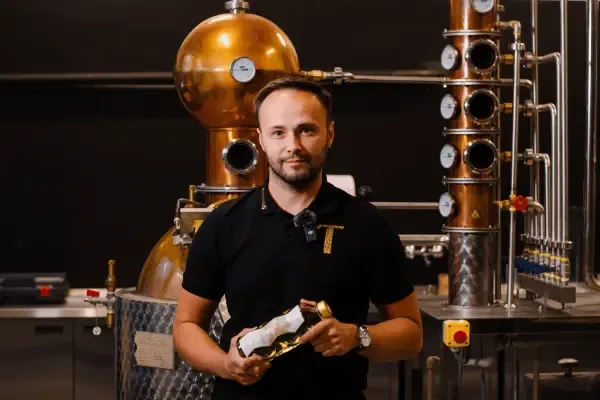
Next comes distillation, where the real magic happens. Vapor from the still travels through the condenser and condenses into distillate. It is important to carefully control the temperature and separate the fractions properly, because only correct cuts will produce a clean and smooth whisky without undesirable aromas. If a copper still and condenser are used, the copper will bind sulfur compounds and contribute to a cleaner and fuller flavor.
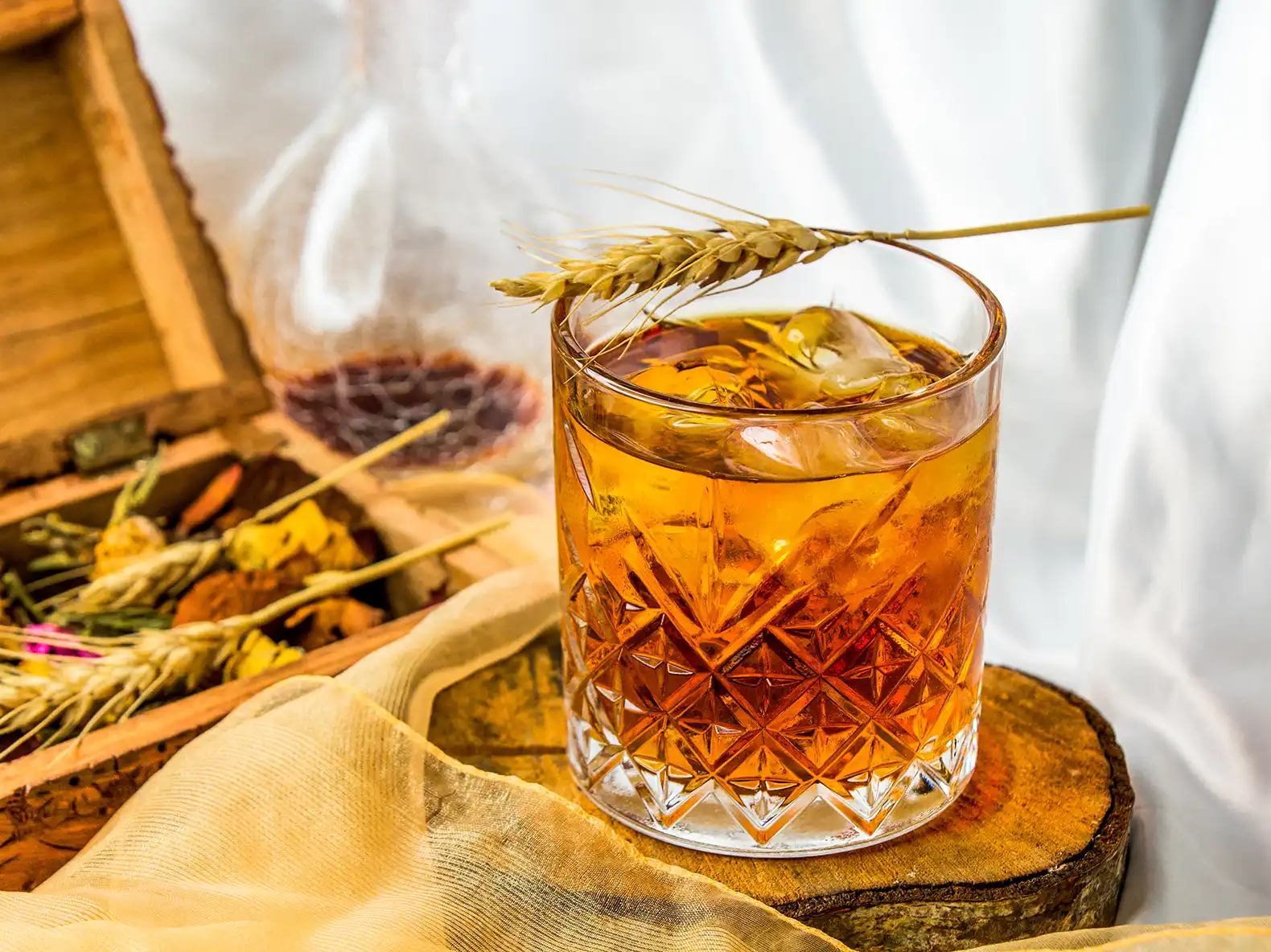
Once the distillate is obtained, the job is not yet finished. Whisky must be aged in oak barrels, where it slowly “breathes” and absorbs the character of the wood. During this time, the color, aroma, and flavor that we all associate with whisky begin to develop—from light floral notes to caramelized and spicy tones. Young whisky can be sharp and rough, but patient aging gradually makes it smoother and more rounded.
In the end, when you finally decide to taste it, remember that every sip is the result of patience, care, and craftsmanship that begins with a simple grain. Homemade whisky may not be perfect the first time, but with every batch you will learn something new and slowly create a spirit you can proudly pour into a glass.