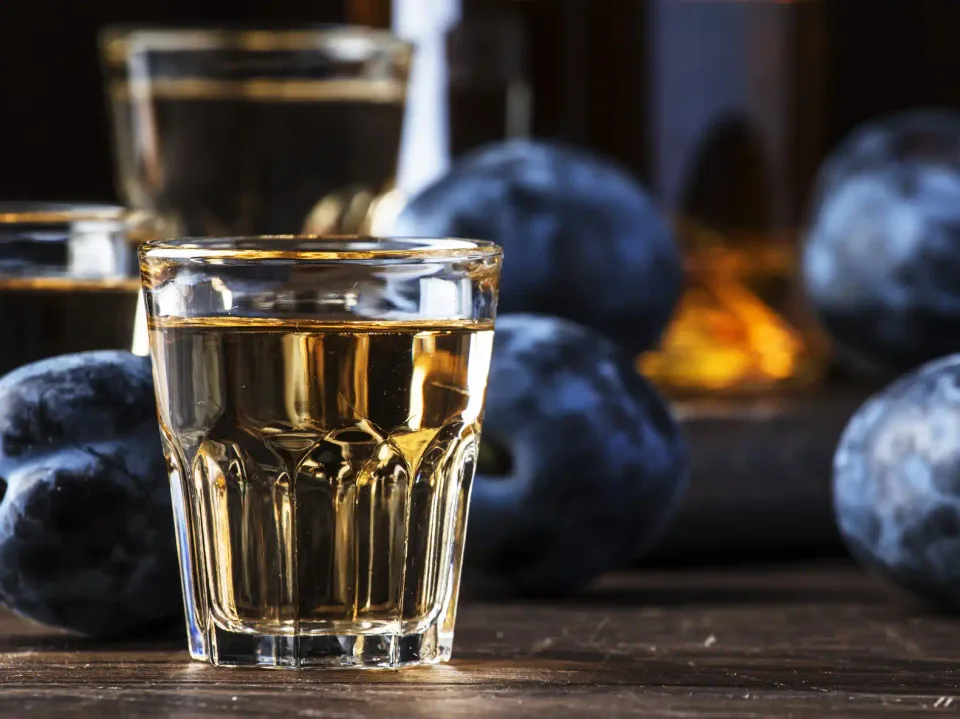
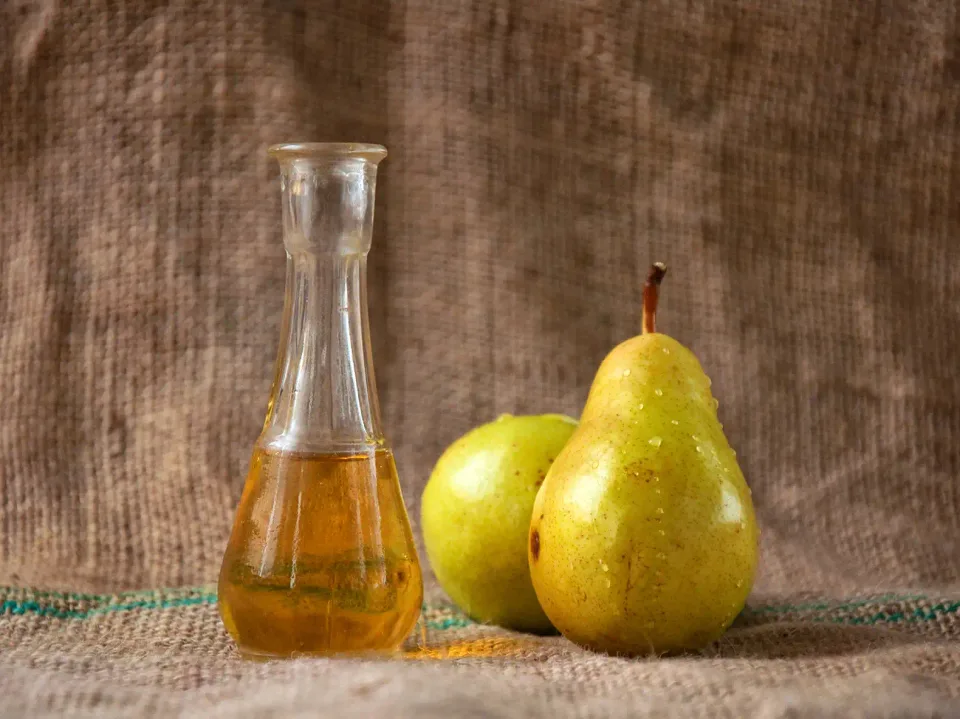
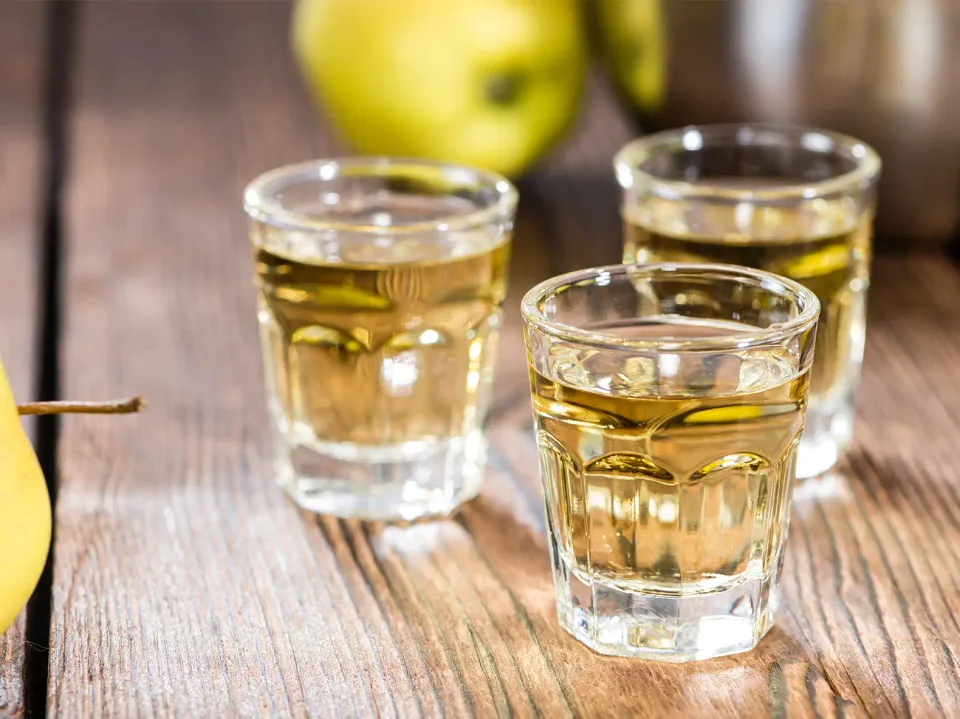
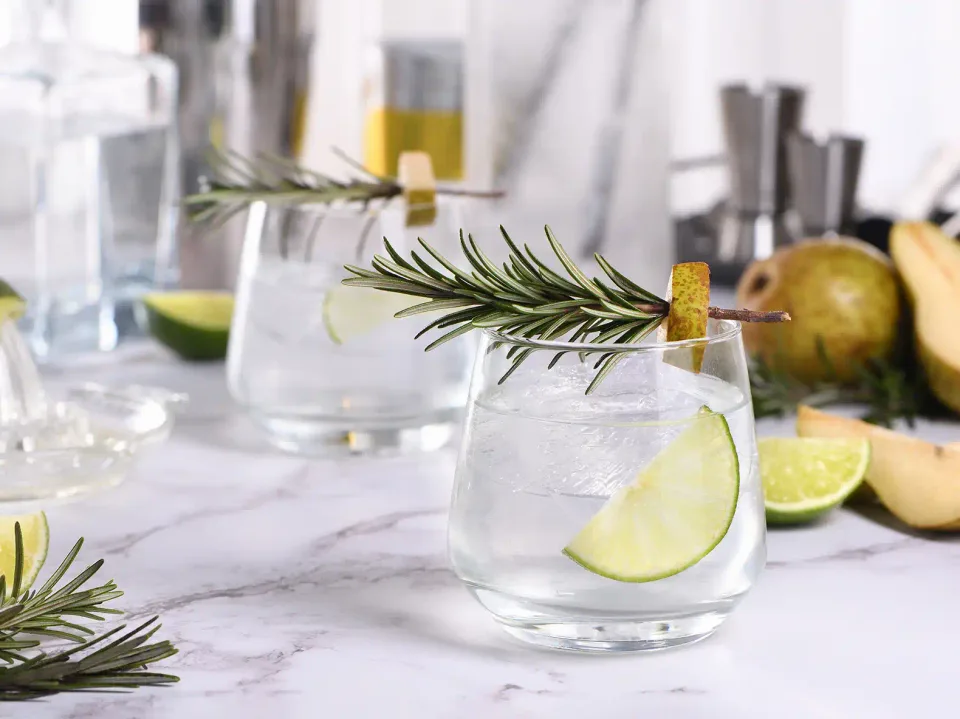
Fruit brandy obtained by distilling fermented mash made from a specific pear variety, most commonly the Williams pear type. Williams pear brandy is characterized by a very pronounced and recognizable fruit aroma, but at the same time it is technologically sensitive. Williams pear fruits contain a relatively high amount of aromatic compounds, while their total acidity is low, so in production it is necessary to carefully manage mash preparation, fermentation, and distillation in order to preserve the typical varietal aroma and avoid quality losses. The key factors are fruit quality, adjustment of fermentation conditions, yeast selection, and proper fraction cuts during distillation.
Selection of raw material and harvesting
For the production of high-quality pear brandy, ripe, healthy, and undamaged fruits are used. Harvesting is most often done by hand, as this reduces bruising and juice losses, while also allowing poor-quality fruits to be roughly separated immediately. Fruits that are insufficiently ripe do not provide a full aroma, while rotten, moldy, and heavily damaged fruits spoil the mash and increase the risk of undesirable microflora. In practice, Williams pears are often left to ripen further after harvesting, until the fruit softens, turns yellow, and becomes technologically suitable for processing. Green fruits are left to ripen, while rotten areas, stems, and parts that may compromise quality are removed.
In pear brandy production, the ripening stage is particularly important because the most characteristic aromatic profile develops only in fully ripe fruits. The production of a high-quality distillate begins with the fermentation of fully ripe fruits, precisely in order to preserve and transfer the varietal aroma into the brandy as much as possible.
Washing, cleaning, and fruit preparation
After harvesting and ripening, the fruits should be washed and dried in order to remove mechanical impurities and possible microbiological contaminants from their surface. This is followed by inspection and cleaning: rotten areas, stems, and all parts that could negatively affect fermentation or introduce foreign flavors into the distillate are removed. Seeds are also removed when possible, which is justified as a technological measure because it reduces the risk of harsh and undesirable tones in the distillate.
Unlike plums, with pear brandy there is not always an insistence on coarse crushing immediately after receiving the fruit, because after ripening the fruit often softens sufficiently on its own. However, the goal is ultimately to obtain a uniform fruit mass suitable for fermentation, because evenly crushed mash enables more stable yeast activity and better release of aromatic compounds.
Crushing the fruit and forming the mash
Crushing Williams pear fruits is carried out only when necessary, that is, when the fruits have not softened sufficiently during ripening. If the fruits are well ripened, pressing and homogenization during the filling of the fermentation vessel are often sufficient. If the mass is too thick, in practice a small amount of water is sometimes added to make the mash more suitable for fermentation and later heating in the still, but this should be done very carefully, because excessive dilution reduces yield and weakens the varietal character of the brandy.
With pear brandy, it is important that the mash is neither too thick nor too diluted. A mass that is too thick makes uniform fermentation more difficult and increases the risk of scorching during distillation, while too much water reduces the concentration of dissolved aromas and sugars. Therefore, properly prepared mash is regarded as a homogeneous, easily fermentable fruit mass with preserved natural aromatic potential.
Mash acidity, yeast, and nutrients
One of the most important characteristics of pear brandy production is the naturally low acidity of the fruit, which is why, when necessary, the acidity of the mash is corrected to a technologically favorable pH, in a controlled manner, with measurement and the use of appropriate oenological agents.
The use of selected yeast is also very useful for pear brandy, because spontaneous fermentation often gives uneven results and can lead to aroma loss. In the scientific work of Professor Ninoslav Nikićević, fermentation variants with the addition of active yeast and mineral salts were part of the research precisely because fermentation significantly affects the chemical composition and sensory properties of pear brandy. Along with yeast, appropriate yeast nutrients may also be added when necessary, but again according to the technological recommendation of the product, not by guesswork.
Alcoholic fermentation
The prepared mash is poured into fermentation vessels that are not filled to the top, leaving free space for foaming and the release of carbon dioxide. The vessel should be closed in such a way that CO₂ can escape, while air access remains limited. This reduces the risk of oxidation and acetic spoilage.
In pear brandy production, fermentation must not be too vigorous. This is one of the most important technological differences compared to some other fruit brandies. Fermentation of fully ripe fruits should be carried out slowly and at a low temperature, optimally around 18 °C, in order to preserve the valuable aromatic compounds as well as possible. The mash should be kept uniform, with daily stirring.
Fermentation is considered complete when practically all fermentable sugar has been consumed, when intensive gas release stops, and when the sharp, active fermentative smell disappears from a sensory point of view. In technology, however, it is much more reliable to rely on sugar measurement and monitoring the course of fermentation than on smell alone. Well-managed fermentation of pear brandy produces a clean, aromatic, and stable fermented mash that must immediately continue to further processing.
Time between the end of fermentation and distillation
In pear brandy production, it is especially important that distillation be carried out very soon after fermentation is complete. This is not a casual recommendation, but one of the most important technological measures. According to professional sources, distillation of the fermented crushed fruit should be carried out within 48 hours after the end of fermentation, so that the content of harmful and harsh components does not increase and so that the secondary aroma formed during fermentation is not lost. If this is not possible, the barrel must be hermetically sealed until distillation.
First distillation, obtaining the soft distillate
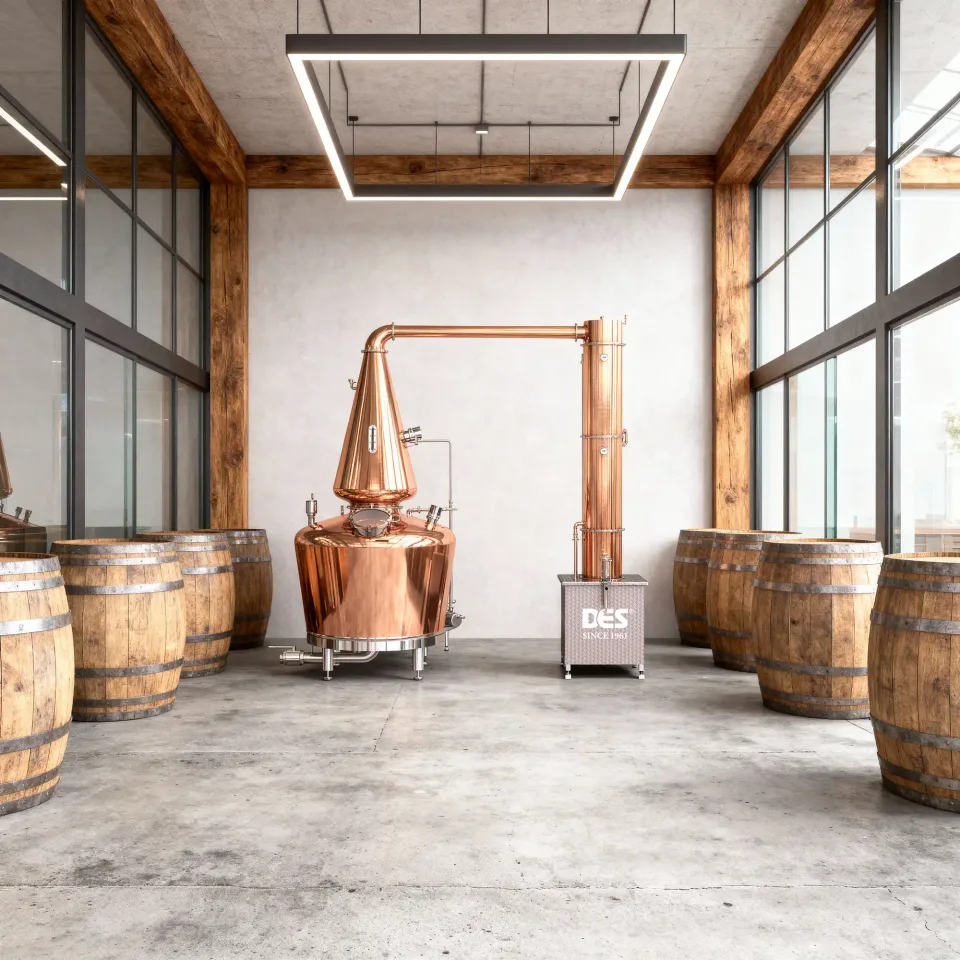
The first distillation of fermented Williams pear mash has the task of separating alcohol and aromatic compounds from the pomace and transferring them into the so-called soft distillate or raw soft brandy. The mash is not poured into the still to the top, but only to about 2/3 of its volume, which reduces the risk of boiling over and carrying solid parts into the steam pipe. With fruit pomace, and especially thick pear pomace, it is desirable for the still to have an agitator or at least protection against scorching. In the scientific work on pear brandy, it is stated that it is useful for the still to be equipped with an agitator or at least a copper grate in order to prevent the contents from scorching.
For pear brandy, one specific detail is important, namely the recommendation that the heads should not be separated during the first distillation, in order to preserve more varietal aromas, and that the cut should be made between the soft distillate and the weak final fraction. In Nikićević’s work, it is stated that during the distillation of fermented mash for obtaining raw soft brandy, the heads are not separated, while the middle fraction is separated from the weak fraction when the average strength of the contents falls to around 20% vol. Your text mentions that the soft brandy after the first distillation has around 20–25% vol., while in some other variants for fruit brandies a range of around 20–30% vol. is stated; the differences depend on the raw material, the apparatus, and process management.
Second distillation, double distillation
The second distillation, or double distillation, is the most important stage for the final quality of pear brandy. Raw soft brandy from previous batches is placed in the still, and distillation is carried out more carefully and more slowly than during the first distillation. Your text correctly emphasizes that the second distillation is performed more gently and with mandatory separation of fractions. Scientific papers also show that fraction cuts in pear brandy are decisive for sensory finesse and that the middle fraction must be carefully separated from the heads and tails.
Heads
The heads are the initial fraction of the second distillation. They contain more easily volatile compounds, especially acetaldehyde and ethyl acetate, which give sharpness to the aroma and harshness to the taste. In Nikićević’s work, it is stated that during the redistillation of pear brandy, the heads are separated in an amount of 0.5–1.5% of the volume of raw soft brandy being redistilled, with a smaller cut being possible when the starting raw material was of excellent quality. Your text gives a similar recommendation of 1–1.5%, which falls within this range. However, in a well-written professional text, it should be added that the final cut is also determined sensorially, and not only by percentage.
Heart
The middle fraction, or heart, represents the main and most valuable part of the double distillation. In pear brandy, the heart must retain the typical, clean, and intense varietal pear aroma. Scientific papers indicate that the middle fraction should not be cut too low, because this leads to a loss of authentic aroma and fullness. A 2005 paper states that the achieved strength of the middle fraction should not be lower than 45% vol., while 50–55% vol. is given as a favorable range for separating the heart, and sometimes even up to 60% vol. is desirable. Your text states that the middle fraction should be 55–58% vol., which is a completely usable practical range if combined with smell and taste as the main criteria.
Tails
The tails are the final fraction of distillation and contain more heavy, harsh, and less desirable components. In pear brandy production, the transition from heart to tails must be made in time, before the distillate begins to lose purity and show cloudiness, bland-sour, or bitter tones. Your text observes exactly this well: the cut to tails should be made before the distillate becomes cloudy and before undesirable taste impressions appear. After that, the tails are separated until the alcohol is almost completely exhausted from the still.
Single and double distillation
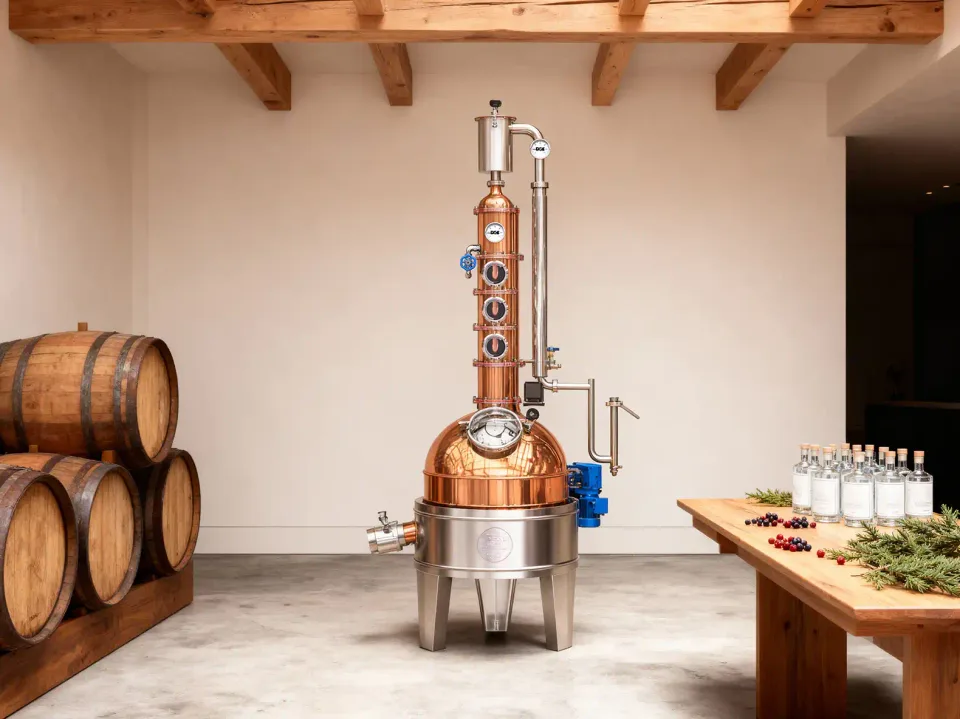
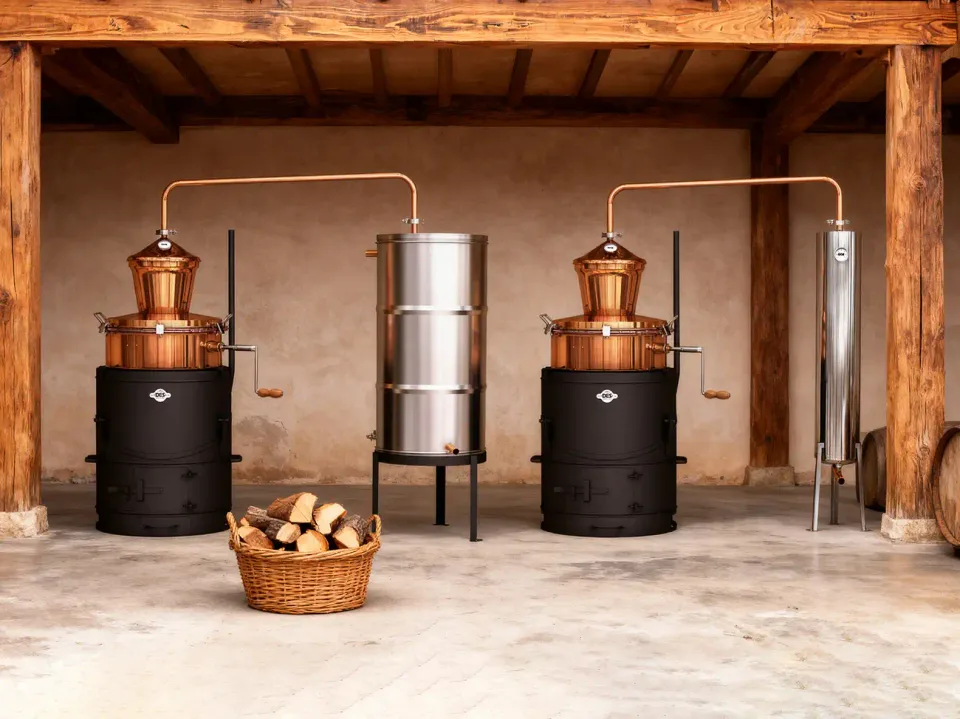
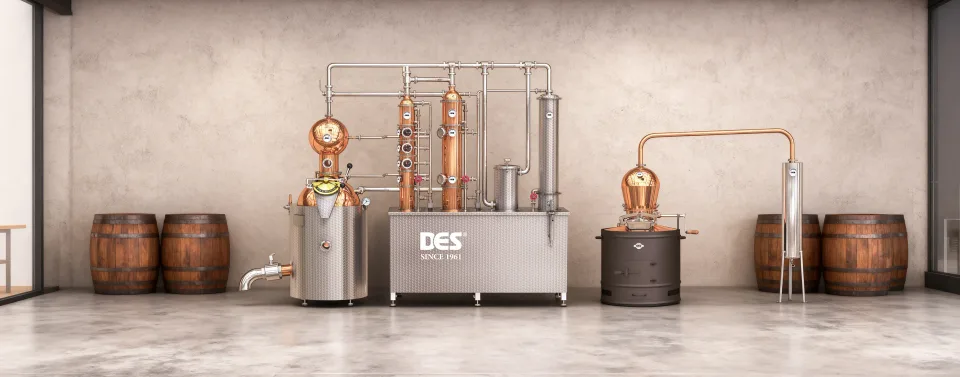
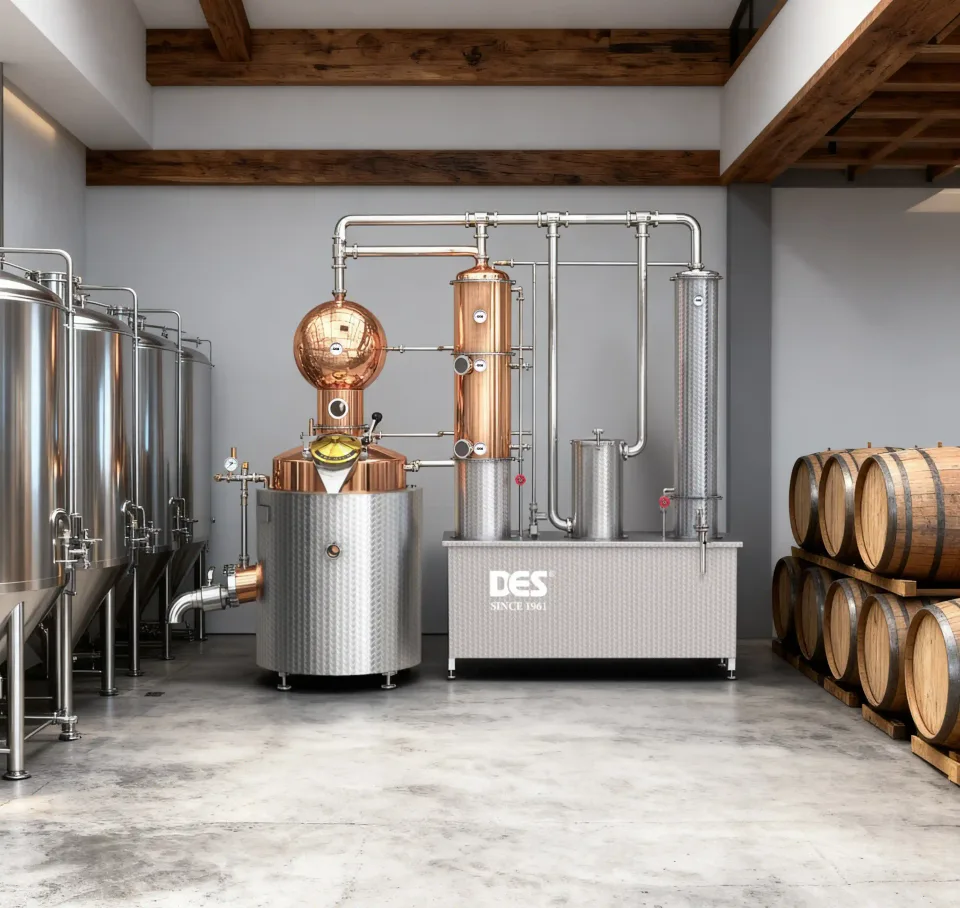
Although pear brandy is traditionally often produced by double distillation in a classic copper still, your text correctly also mentions more modern apparatuses that make it possible to obtain a distillate of appropriate strength in a single cycle. Such units have elements for strengthening and purifying vapors, such as a short column and a dephlegmator. However, regardless of the construction of the apparatus, the basic technological goal remains the same: to preserve the varietal aroma of pear brandy and properly separate undesirable fractions. More recent studies on the distillation of fruit brandies confirm that the heating regime and reflux significantly affect the composition of the distillate, so in pear brandy production, process speed and energy control play a major role in final quality.
Stabilization, aging, and finalization
Unlike plum brandy, pear brandy is most often described in professional sources as a brandy consumed colorless, after stabilization in glass or stainless steel vessels. A 2016 paper states that pear brandy “never matures in a barrel” because the primary aromatic components do not combine well with secondary components from wood. A similar point is made in an older paper from 2005: new pear brandy is sharp and disharmonious, so it requires physical stabilization and gradual maturation in glass or chrome-nickel vessels for at least about 60 days, after which it is diluted to a final strength of 40–45% vol.
Your text also mentions the possibility of storage in an oak barrel. This is not entirely incorrect if referring to a special product style, but for classic pear brandy, the better and more professionally grounded recommendation is that it should be aged and stabilized in neutral vessels, so that it remains colorless and preserves its distinctly fruity profile. Dilution is carried out gradually, in several stages, with distilled or demineralized water, not abruptly immediately after distillation is complete. This is also well emphasized in your text and is worth keeping.
Conclusion
The production of pear brandy requires more technological precision than it may seem at first glance. It is not enough simply to process pears into brandy; it is essential to use fully ripe and healthy fruits, to correct mash acidity when necessary, to conduct fermentation slowly, in a controlled manner and at around 18 °C, to carry out distillation immediately after fermentation is complete, and to carefully separate the heads, heart, and tails during the second distillation. Only then is true pear brandy obtained: colorless, clean, highly aromatic, and varietally recognizable.