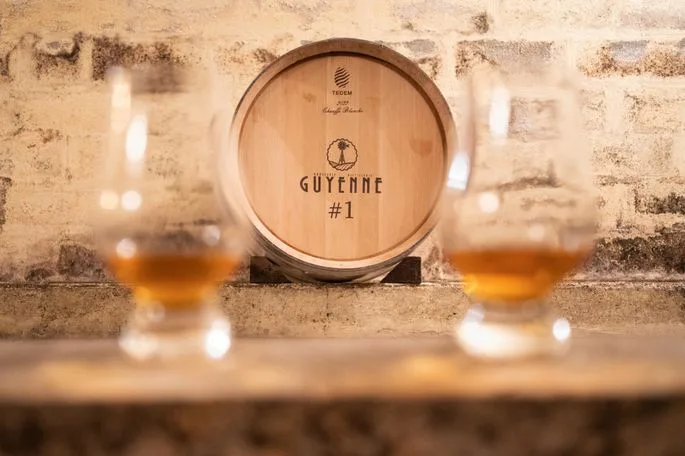
In an old wine region near Bordeaux, inside a former wine cellar, beer, distillates, botanicals, grains, and the ideas of three friends who turned a hobby into a serious craft project come together today.
Brasserie Distillerie Guyenne, located in Lugasson, in the Entre-deux-Mers region, is developing a production that does not fit into just one category. Their portfolio includes beer, gin, pastis, vermouth, rum, vodka, and whisky, and this very breadth shows how important it is to have equipment that can follow different styles, raw materials, and processes.
They recently received special confirmation of quality through high scores for their vermouths, 93 points for Vermouth Blanc and 90 points for Vermouth Rouge. For a producer coming from a region strongly connected to wine, such recognition carries special weight, because vermouth requires exactly what French craftsmanship is known for, a sense of measure, aroma, and balance.
Three friends, one idea, and many aromas
Brasserie Distillerie Guyenne was founded by François, Hugo, and Arnaud, three friends connected by shared passions: good drinks, craft production, entrepreneurship, and respect for the environment. Their story, as they describe it themselves, began with conversations in the locker room after basketball, continued through whisky tastings in a garage, amateur beer brewing, and the desire to turn a hobby into serious production.
Today, that initial enthusiasm has taken a concrete form. Guyenne produces drinks that carry local character, but also a clear ambition to become part of the modern French craft distilling scene.
Their philosophy can be summed up in one thought: aroma is not a detail, aroma is the essence.
Vermouth as a blend of wine, botanicals, and precision
Vermouth is a particularly interesting product because it stands between the world of wine and the world of strong alcoholic spirits. It requires balance. It needs a wine base, carefully selected botanicals, good maceration, precise aromatization, and a sense of measure.
With vermouth, there is no room for excess. If the aroma is too weak, the product remains flat. If it is too strong, it loses elegance. If the balance is not right, what makes vermouth special disappears.
That is why the high scores received by Vermouth Blanc and Vermouth Rouge represent an important confirmation of their work. It is not only recognition for one product, but proof that Brasserie Distillerie Guyenne understands the complexity of a drink where wine, botanicals, bitterness, freshness, and structure meet.
The DES still as part of a broader production story
What makes this story especially important for DES is the fact that Brasserie Distillerie Guyenne uses a 500-liter DES hybrid still. According to the publicly available producer description on the Kouer platform, they are equipped with a DES alembic, as well as their own brewing equipment, which allows them to carry out key production stages within the distillery itself.
This kind of equipment gives them the flexibility that is crucial for producers with a broad portfolio. When a distillery develops different categories of drinks, from vodka and rum to whisky and vermouth, the still must provide stability, control, and the ability to adapt to the process.
For vodka, purity is important.
For rum, the character of the raw material and work with the aromatic profile.
For whisky, a stable beginning to a long maturation process.
For vermouth, a sense of aroma, balance, and precision.
That is why a modern still is not just a piece of equipment. It is the foundation on which a producer builds different directions of their identity.
From beer to whisky, all under one roof
Guyenne is not a classic distillery that produces only one category of drinks. Their production develops in several directions. On their official website, they list gins, pastis, rhum, and whisky as part of their project, while their online shop also includes vodka, beer, vermouth, and other drinks.
Their work on whisky is especially interesting. According to available information, whisky production began in 2023, and the first whisky is planned for release during 2026, after the required maturation period in barrels.
This shows the seriousness of their approach. Whisky is not a product that can be rushed. It requires time, discipline, and trust in the process. That is exactly why it is important to set the foundation properly, from raw material, through distillation, to aging.
Why flexibility matters for modern distilleries
Today’s craft distilleries often do not want to be tied to only one product. They explore, test, develop small batches, follow market reactions, and build their own style across multiple categories.
Brasserie Distillerie Guyenne is an excellent example of such an approach. Their portfolio shows breadth, but not as random variety, rather as an exploration of aromas and techniques.
This kind of work requires equipment that can follow the producer’s idea. DES modern stills enable exactly that, a controlled process, reliable operation, and adaptation to different types of distillates.
A good still does not define the identity of the distillery instead of the producer.
It enables the producer to express their identity more precisely.
What does this story mean for future distillers?
The story of Brasserie Distillerie Guyenne shows that high-quality equipment is not important only for large distilleries or for producers of a single type of drink. It is just as important for creative producers who want the freedom to explore.
If you are planning to produce several categories of drinks, it is important to think from the very beginning about a still that can follow different processes. Vodka, rum, whisky, gin, vermouth, liqueurs, and other drinks require different approaches, but at the foundation of every good production are control, stability, and repeatability.
DES stills are used around the world for the production of brandy, gin, absinthe, liqueurs, vodka, rum, whisky, and other alcoholic spirits. Our range includes more than 40 still models, different types of columns, several heating options, and the possibility of custom production according to production needs.
For producers who want to develop an authentic portfolio, the right still is not only an investment in equipment. It is an investment in creative freedom.
French craft, modern distillation, and a clear idea
Brasserie Distillerie Guyenne shows what it looks like when friendship, knowledge, and a passion for aromas turn into a serious production project.
From an old wine space in Lugasson, near Bordeaux, come drinks that combine the French sense of terroir, craft curiosity, and modern distillation technology. Their vermouth is already receiving high scores, their whisky is maturing, and their portfolio continues to develop across different drink categories.
For DES, it is a special honor that our still is part of their production story.
Because when a producer has a clear idea, good raw material, and equipment that can follow their ambition, the result is not just another drink on the market.
The result is a recognizable style.
Contact us and find the DES still that suits your production.
In Satnica Đakovačka, plum is not just a fruit. It is part of the landscape, family work, and a tradition that is not preserved by staying the same, but by evolving.
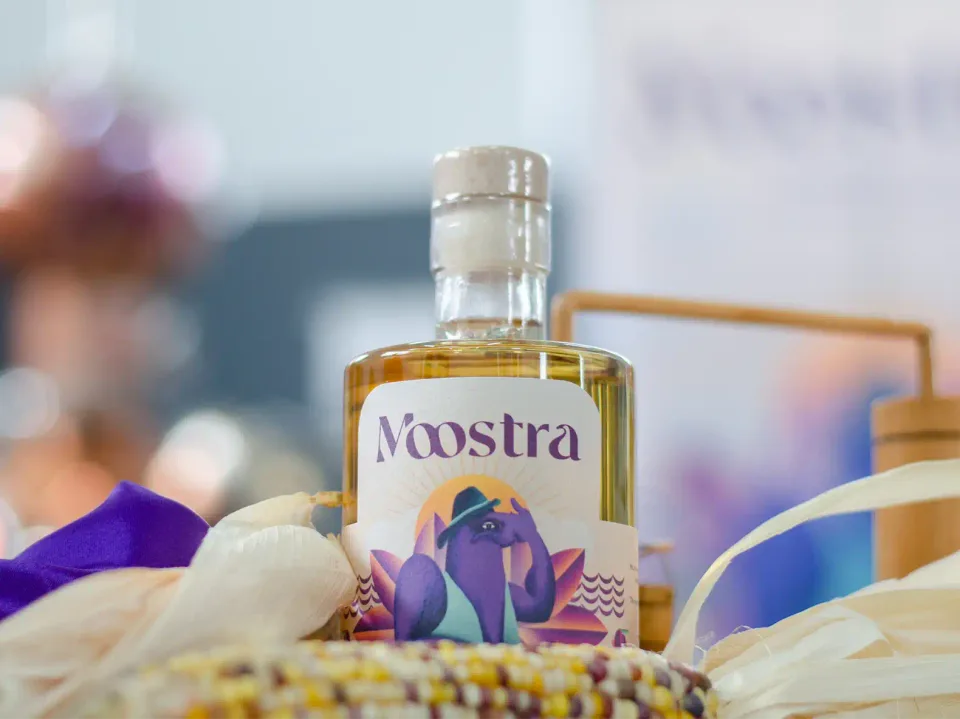
Ivan and Stanka Ćorić, the young married couple behind the family distillery Ćorić and the Moostra brand, have shown that brandy can have a deeply local origin, but also a modern, premium expression. Their plum brandy recently won a gold medal at the 21st Quality Evaluation of Brandies and Other Alcoholic Beverages in Osijek, which is yet another confirmation that serious work in the orchard, fermentation, distillation, and aging is clearly recognized in the glass.
Moostra is a story about Slavonian plum, oak, character, and people who do not see brandy as a product of the past, but as a drink with a strong place in the modern market.
Brandy that does not run away from its origin
Moostra is a brand that, from the very first encounter, clearly shows that brandy can be both traditional and modern. On their official website, they emphasize that Moostra combines tradition and modernity in every drop, with carefully selected fruits, natural fermentation, modern distillation, and aging in Slavonian oak barrels.
This is an important part of the story. Because good brandy is not created only in the still. It begins much earlier, in the orchard, in the selection of fruit, at the moment of harvest, in fermentation, and in the patience to give every step enough attention.
For Moostra, plum is not just a raw material. It is the starting point of identity.
Young people, a serious approach, and a clear vision
The distillery is run by Ivan and Stanka Ćorić, a young married couple who show that family production can develop toward a premium brand without giving up its local character.
The Ćorić family farm has been operating in the Satnica Đakovačka area since 2004, and their farm is engaged in fruit processing and agricultural production. On their website, they also mention their own plum orchard, where they grow the varieties Čačanska Lepotica and Čačanska Rodna.
That is what gives Moostra special value: behind the bottle, there is not just a label, but people, land, fruit, and a decision to build quality from the very beginning of the process.
Gold as confirmation of work
A gold medal for plum brandy is not just a nice addition to a shelf. It is confirmation that the product has been recognized beyond the distillery itself.
At the 21st Quality Evaluation of Brandies and Other Alcoholic Beverages in Osijek, their plum brandy received 87 points and was awarded a gold medal. Such recognitions are important because they come through professional evaluation, where elements such as aroma, balance, intensity, taste, texture, complexity, and overall impression are assessed.
In other words, the medal is no coincidence. It is the result of careful work, good fruit, proper fermentation, precise distillation, and aging that gives the brandy fullness and a rounded character.
The DES still as part of the process
In the production of premium brandy, every detail has its role. A high-quality still cannot turn poor raw material into an exceptional drink, but when you have good plums, properly managed fermentation, and a clear idea of the product you want, the still becomes one of your key allies.
DES stills are made precisely for producers like this, for those who want control, a stable process, and the ability to bring out the best from the fruit. With plum brandy, it is especially important to preserve the natural aroma of the fruit, achieve a balance between fruitiness and strength, and then, through aging in oak, gain additional depth, softness, and character.
Moostra shows what brandy can look like when a traditional foundation is combined with modern thinking. It is not a product trying to be something else. It is a brandy that knows where it comes from, but also knows who it is speaking to today.
Brandy with a pattern
The name Moostra carries special symbolism. According to the description of the brand’s visual identity, the name is inspired by the word “mustra”, which can refer to a person with character, someone resourceful and distinctive, but also to a pattern, motif, or recognizable design. This dual symbolism is used as the foundation of the brand identity, brandy with a story, character, and a visual expression that stands apart from classic perceptions of brandy.
And that is the strength of this brand. Moostra does not try to erase tradition, but to give it a modern face. To bring brandy closer to a younger, more sophisticated audience, without losing what makes it authentic.
What does this story mean for future distillers?
The story of the Ćorić family shows that premium brandy is not created overnight. It requires patience, investment, learning, and respect for the process.
If you are planning to start a distillery or improve your existing production, it is important to know that you are not only choosing equipment. You are choosing a production partner. A still that will take part in every fermentation, every distillation, every batch, and every future recognition.
DES stills are used for the production of brandy, gin, liqueurs, absinthe, vodka, and other alcoholic spirits. Our range includes more than 40 still models, different types of columns, several heating options, and the possibility of custom production according to production needs.
For small family distilleries, as well as for serious producers who want to build a premium brand, high-quality equipment is not a cost. It is the foundation of stable production.
From Slavonian plum to a gold medal
Moostra is an example of how a local story can become a premium product. From Satnica Đakovačka, from the family production of Ivan and Stanka Ćorić, came a brandy that carries the character of Slavonia, but speaks the language of the modern market.
Their gold medal for plum brandy confirms what DES also believes: an exceptional drink begins with good raw material, knowledge, and equipment that enables quality to be repeated.
Because when the plum is carefully selected, fermentation is properly managed, distillation is precisely carried out, and the brandy is allowed to rest in oak, the result is not just a drink.
The result is character in a bottle.
Contact us and find the DES still that suits your production.
When time, family heritage, and the trace of an old craft are preserved in a single raw material, distillation stops being just a technological process. It becomes a way to set the past in motion again, but in a new form.
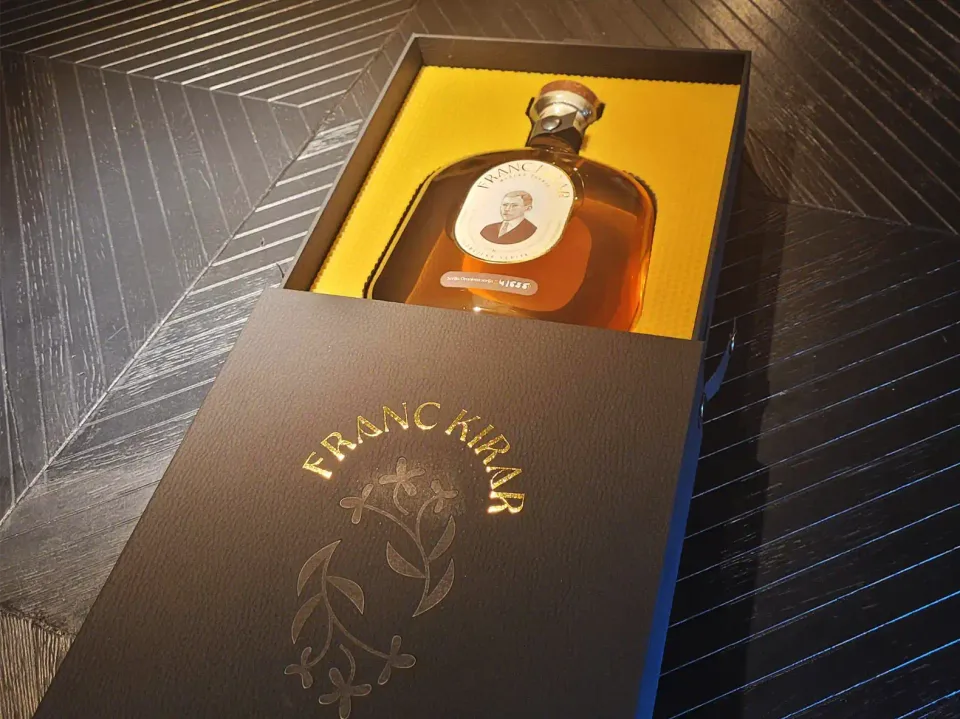
At the Slovenian distillery Svarog, led by Bojan Lunežnik, exactly such a moment was transformed into a limited series of Franc Kirar honey brandy. In cooperation with Maja Kirar, the granddaughter of the renowned beekeeper Franc Kirar, Bojan distilled a brandy from honey almost half a century old, carefully processed and transformed into a drink that carries much more than an aromatic profile.
This is the story of 750 kilograms of honey that did not end up as a forgotten family memory, but as a limited distillate created out of respect for a man, beekeeping, and the time that left its mark.
Honey that preserved time
Franc Kirar was one of the notable beekeepers of his time, known for his innovations in beekeeping and honey production. After his death, 750 kilograms of honey remained, not as an ordinary raw material, but as the heritage of one family, one craft, and one era.
Decades later, Maja Kirar decided to entrust that honey to Bojan Lunežnik, founder of Svarog Distillery. That is how the idea was born to turn something preserved from the past into a completely new product, a honey brandy bearing the name of Franc Kirar.
It is not just a distillate. It is a liquid memory of tradition, beekeeping, family, and patience.
Svarog Distillery: a craft that understands the story
Svarog Distillery is a young family-owned distillery from Maribor, known for producing premium alcoholic spirits and for its creative approach to distillation. It is run by Bojan and Lidija Lunežnik, and their work combines local ingredients, experimentation, and respect for the craft.
Precisely because of this approach, the Franc Kirar project could not be treated as ordinary production. Honey that was several decades old required understanding, careful heating, preparation, purification, and precise distillation.
With products like this, there is no room for improvisation. Every stage of the process must be under control, because the raw material is limited, precious, and unrepeatable.
The DES still as part of a process that preserves aroma
For a distillate like this, a good recipe alone is not enough. Equipment is also needed, equipment that enables a stable, precise, and controlled distillation process.
Svarog Distillery uses a DES still, and this special honey brandy was created precisely in that still. DES equipment gives Bojan what is essential in projects like this: control over the process, preservation of the aromatic profile, and the ability to draw the full character out of a rare raw material.
With honey brandy, it is especially important to preserve the delicate aroma of honey, without aggressive tones and without losing elegance. A high-quality still cannot make a good distillate from poor raw material, but when the distiller has knowledge, vision, and a carefully prepared base, a good still makes a major difference.
It does not dominate the raw material.
It helps it express itself.
A limited series with symbolism
Franc Kirar honey brandy was produced as a limited edition of only 555 bottles. The first three bottles were given special meaning: one remained with Bojan Lunežnik, the second with Maja Kirar, and the third was gifted to the city of Maribor.
This gesture shows that the product was not conceived merely as a drink, but as a cultural and emotional object. As a bottle that carries a story about a man, a family, beekeeping, Slovenia, and the modern craft of distillation.
According to the official information about the project, the drink is described as soft and highly aromatic, and it was also analyzed for undesirable components, with the statement that it contains no prohibited or unwanted ingredients.
What does this story mean for future distillers?
The story of Franc Kirar honey brandy shows how far distillation can go when a good idea, valuable raw material, knowledge, and quality equipment come together.
If you are planning to start a distillery or improve your existing production, it is important to know that you are not only choosing a still. You are choosing a tool that will take part in every future product, every recipe, and every batch you develop.
DES stills are used for the production of brandy, gin, liqueurs, absinthe, vodka, whisky, rum, and other alcoholic spirits. Our range includes more than 40 still models, different types of columns, several heating options, and the possibility of producing equipment according to the needs of your production.
Whether you are developing traditional brandy, modern gin, or a limited series with a special story, the right still gives you safety, control, and a repeatable result.
When heritage gets a new life
Franc Kirar honey brandy was not created out of a desire to make just another drink on the market. It was created out of respect for a man who left his mark on beekeeping, out of the trust of his family, and out of the vision of a distiller who knew how to turn honey that was decades old into something new.
For DES, it is a special honor that our stills take part in projects like this. Because when equipment becomes part of a story that connects the past and the future, we know that our work has a broader meaning.
Some distillates are consumed.
Some are remembered.
And some become a story that is passed on.
Franc Kirar honey brandy belongs to that rare third group.
Contact us and find the DES still that suits your production.
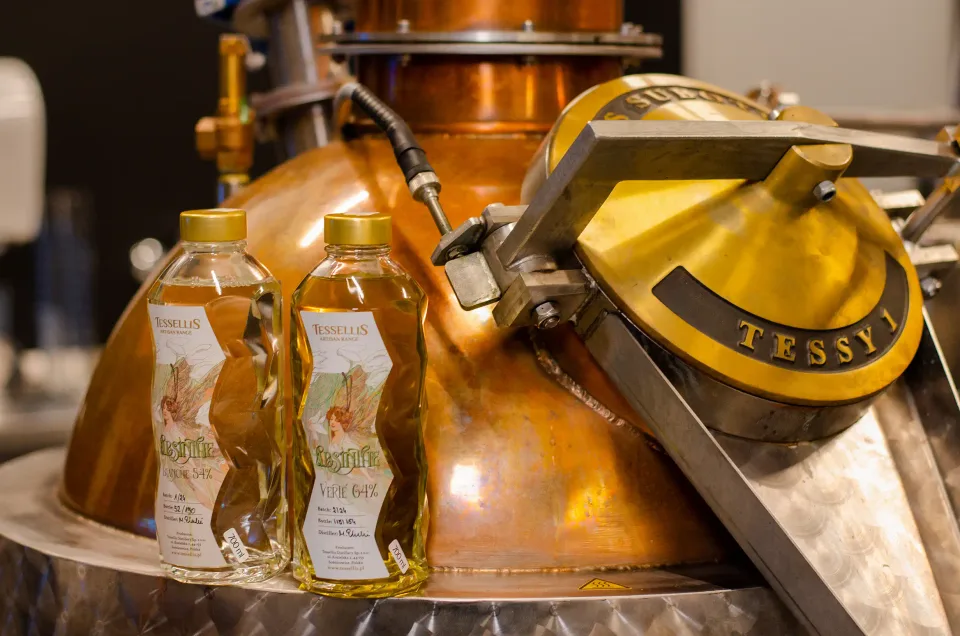
The quality of a still is best proven by results. One of the strongest examples came from the World Drinks Awards 2025, where the Polish craft distillery Tessellis won two gold medals for spirits produced in a DES still.
Absinthe Verte, the best absinthe in the world
Exquisitus, the best botanical vodka in the world
These awards confirm what we have believed for years, that an exceptional spirit begins with high-quality raw materials, knowledge, and the right still.
The DES still as part of a champion process
Tessellis is a family-owned craft distillery from Kraków, known for spirits rich in herbal and spice aromas. For the development of their products, they chose a DES modern column still with a capacity of 200 liters, made of high-purity copper, with electric heating and a bubble plate column.
This type of construction enables precise temperature control, high-quality aroma extraction, and a stable distillation process, which is especially important for spirits such as absinthe, gin, botanical vodka, and liqueurs.
As a reminder, a still cannot turn poor raw material into an exceptional spirit. But when you have a good macerate, a good recipe, and the right knowledge, a high-quality still makes a major difference. It preserves aroma, provides control, and enables a repeatable result.
What does this mean for future distillers?
If you are planning to start a distillery or improve your existing production, it is important to know that you are not only choosing equipment. You are choosing a production partner.
DES stills are used for the production of brandy, gin, absinthe, liqueurs, vodka, and other alcoholic spirits. Our range includes more than 40 still models, different types of columns, several heating options, and the possibility of custom-made production.
With every modern column still, we provide technical support, consulting, and worldwide delivery with CE certification.
The two gold medals won by Tessellis Distillery are no coincidence. They are the result of a good recipe, high-quality ingredients, and equipment that enables precise distillation. The best absinthe and the best botanical vodka in the world were produced in a DES still. Maybe it is time for your next spirit to start there too.
Contact us and find the DES still that suits your production.
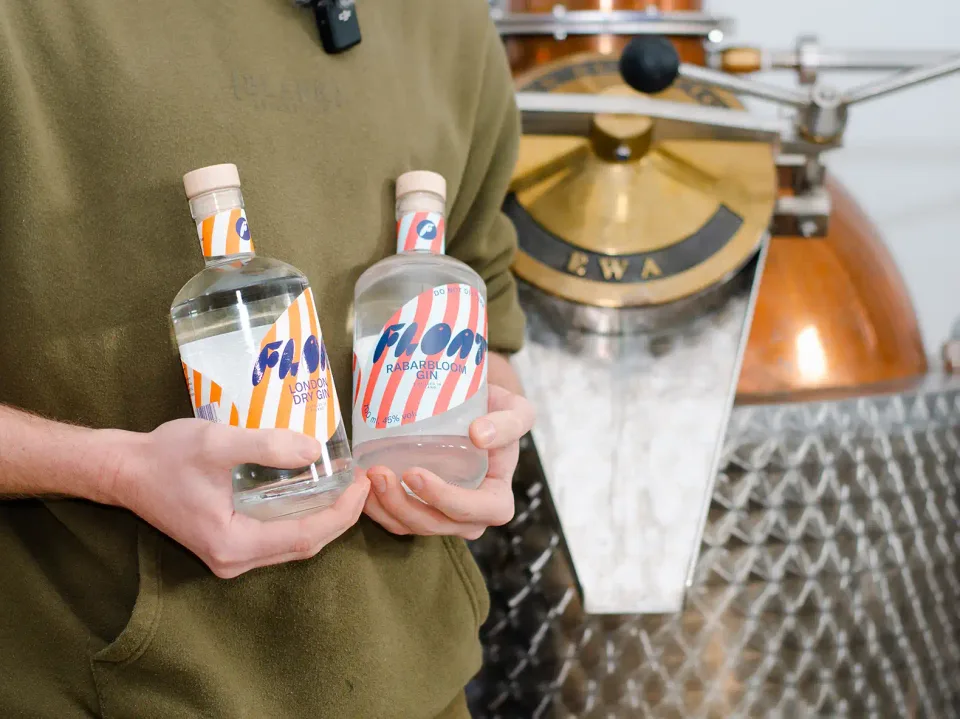
Kraków has a long history, a serious gastronomic scene, and an increasing number of producers who interpret traditional drink categories in a completely new way. In that space, between craft, creativity, and modern taste, Krakowska Destylarnia Alkoholi was created, a distillery that produces gins and liqueurs under the FLOAT brand.
FLOAT is not a brand trying to look classic. Its identity is different, more playful, and bolder. The colors are intense, the flavors are fruity and expressive, and the approach to distillation is based on experimentation, collaboration, and the idea that a good drink does not have to be strict, closed, and predictable.
On the official website of Krakowska Destylarnia Alkoholi, FLOAT is presented as “kolorowa strona ginu”, meaning the colorful side of gin, with a description stating that these are multiple award-winning Polish craft gins and liqueurs. The range includes FLOAT London Dry Gin, FLOAT Cheerful Gin, FLOAT The Grapest Gin x Zweigelt, as well as gin-based liqueurs, including passion fruit, quince, strawberry, and Brewbella, a coffee liqueur based on gin.
Gin that does not want to go unnoticed
FLOAT is a good example of a modern brand that understands that today a product needs more than a correct recipe. It needs attitude, visual identity, and a taste that stays in memory.
On its dedicated FLOAT page, the brand states that it comes from Kraków, that the products are made by hand, in their own way, that they experiment with distillation, collaborate with people they enjoy working with, and create products they genuinely want to drink.
That sentence explains their character well. FLOAT is not trying to be a strict replica of traditional gin. It uses gin as a basis for playing with fruit, colors, maceration, and different aromatic directions.
FLOAT Cheerful Gin stands out in particular, a gin infused with sour cherry, which was described in a review by Spirits.com.pl as a product with plenty of juniper, cubeb pepper, sour cherry juice, rhubarb, dried Japanese lemon, apricot, and a fruity-spicy finish. The same review states that it is a very interesting gin.
A silver medal for a signature gin
Recently, FLOAT received another important confirmation of quality. According to the brand’s Instagram post, their signature gin inspired by the world of wine won a silver medal at the international World Gin Awards competition.
For a brand that builds its identity on a different approach, this recognition has special value. It shows that originality is not only a marketing direction, but that behind the color, design, and idea, there is serious work in production.
In the gin category, competition is strong. The market includes a huge number of classic London Dry styles, experimental gins, fruit infusions, barrel-aged variants, and local interpretations. That is why international recognition is not won only because of an interesting story. It is won when the product has balance, aromatic structure, and quality that can be recognized in the glass.
When wine inspires gin
One of the most interesting products in the FLOAT portfolio is FLOAT The Grapest Gin x Zweigelt. The name alone reveals a different direction of thinking. Gin is not viewed in isolation, but through an encounter with the world of wine.
On the distillery’s website, this product is listed together with other FLOAT gins and liqueurs, showing that the brand is developing its own small universe of drinks, from more classic interpretations to more experimental products with fruit and wine-inspired elements.
This kind of approach requires great precision. When gin is connected with fruit or wine elements, it is important that no single component takes complete dominance. Juniper must remain recognizable, the fruit must bring character, and the alcohol base must bring all elements together into a clean and stable product.
That is where the difference between a random experiment and a serious distilling idea becomes visible.
The DES still as the foundation for creative production
Creativity in distillation does not mean much without equipment that can provide control. When a producer works with different styles of gin, fruit infusions, and liqueurs, the process needs to be stable, repeatable, and flexible enough for different recipes.
Krakowska Destylarnia Alkoholi uses a DES still in its production, and precisely this kind of equipment creates space for the development of brands such as FLOAT. With gin, it is important to work precisely with botanicals, the alcohol base, and the aromatic profile. With gin-based liqueurs, it is additionally important that the base distillate blends well with fruit, coffee, or other aromatic components.
A good still does not determine the style of a brand.
But it enables the producer to develop that style with greater confidence.
For FLOAT, this means the freedom to explore different directions, from London Dry style, through fruit gins, to gin-based liqueurs. For the distillery, it means that one piece of equipment must support multiple ideas, multiple batches, and multiple flavors.
Color, fruit, and the modern language of gin
FLOAT shows that gin is no longer only a classic drink for a narrow group of connoisseurs. It can be fresh, urban, fruity, playful, and visually recognizable, while still remaining a serious product.
Their range includes flavors that speak the modern language of the market: sour cherry, passion fruit, quince, strawberry, coffee, and grape. These are ingredients that bring gin closer to an audience looking for something different, but not willing to compromise on quality.
On its website, alongside FLOAT products, Krakowska Destylarnia Alkoholi also offers other craft bottles, such as limoncello, sour cherry liqueur, pear brandy, quince brandy, citrinovka with honey, and potato vodka. This shows the breadth of production and an understanding of different categories of alcoholic drinks.
What does this story mean for future distillers?
The story of Krakowska Destylarnia Alkoholi and the FLOAT brand shows that a modern distillery does not have to choose between craft and creativity. On the contrary, the best results often come when technical knowledge, good equipment, and a bold idea are brought together into one recognizable product.
If you are planning to develop gin, liqueurs, or other signature distillates, it is important to think from the very beginning about equipment that can follow recipe changes, testing, small batches, and portfolio expansion. With such products, process stability is just as important as freedom to experiment.
DES stills are used around the world for the production of brandy, gin, absinthe, liqueurs, vodka, rum, whisky, and other alcoholic spirits. Our range includes more than 40 still models, different types of columns, several heating options, and the possibility of custom production according to production needs.
For producers who want to build a brand with character, the right still is not just a technical investment. It is a tool that enables an idea to become a product, and a product to become a recognizable style.
Kraków, FLOAT, and the new energy of gin
FLOAT is an example of a brand that does not see gin as a closed category, but as a space for play, color, fruit, and a different kind of expression. From Kraków comes a line of gins and liqueurs that combines craft production, modern design, and the courage to present a classic product in a new way.
The silver medal at the World Gin Awards confirms that this kind of approach can also be recognized internationally. For DES, it is a special pleasure when our stills become part of production stories in which tradition is not repeated mechanically, but used as the foundation for something new.
Because good gin can be classic.
It can be serious.
It can be fruity, colorful, and unexpected.
What matters most is that it has character.
Contact us and find the DES still that suits your production.
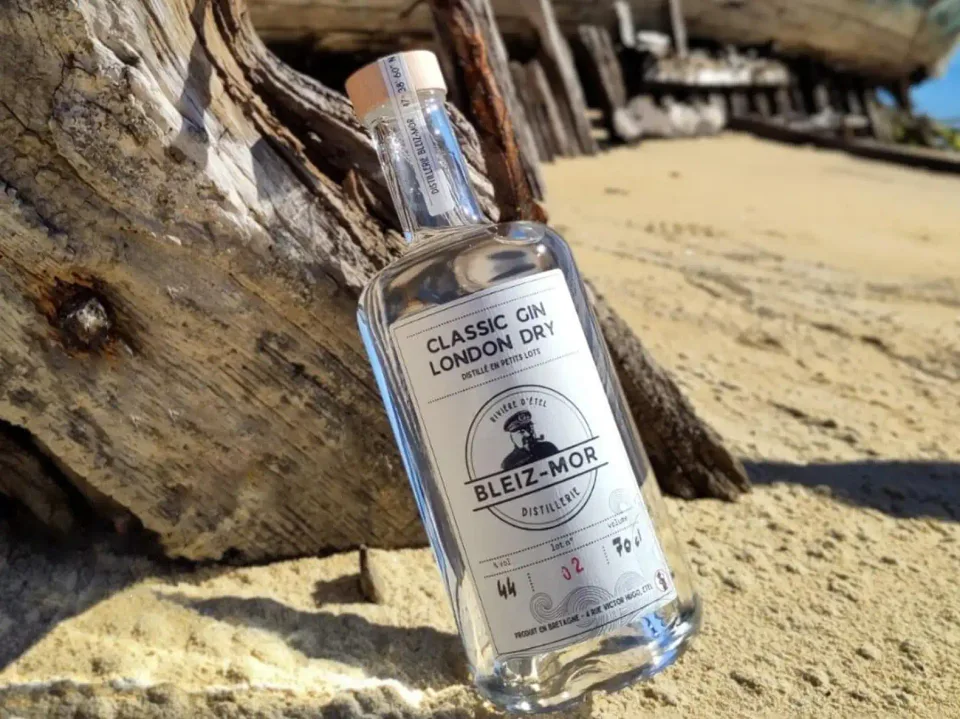
On the coast of Brittany, the sea is not just a landscape. It sets the rhythm, character, and the way people think about craft. In the town of Étel, in the heart of the French department of Morbihan, lies Distillerie Bleiz-Mor, a small craft distillery that builds its identity precisely on this connection between place, nature, and precise distillation.
The name Bleiz-Mor means “sea wolf” in the Breton language, and that name describes the spirit of the distillery well. Their philosophy is not to produce more, but to produce better. Every distillate is designed and produced on site, in small batches, with a clear desire for the taste to be honest, balanced, and recognizable.
A distillery rooted in Brittany
Bleiz-Mor is a distillery from the town of Étel, located at 4 rue Victor Hugo, in a region known for its strong coastal identity, local gastronomy, and respect for authentic production. On their official website, they emphasize that they work in small quantities and with great attention, from recipe development to bottling, including the distillation itself.
Their portfolio includes several different drink categories, including Pur Malt, London Dry Gin, vodka with sage and lemon, and Anis de la ria. This selection shows that Bleiz-Mor does not think only within the framework of a single product, but develops an entire small world of Breton distillates, each with its own character.
This is an important detail for understanding this story. When a distillery produces several different drinks, the equipment must provide stability, control, and the ability to adapt to different raw materials, aromas, and styles.
Gold for London Dry Gin
A special recognition for Bleiz-Mor came through their London Dry Gin, which won a gold medal. In its official Instagram post, the distillery stated that it was proud of the gold medal for its Gin London Dry, while available posts also mention that the gin was awarded at the Salon de l’Agriculture in Paris in 2026.
For a craft distillery, this kind of recognition carries special weight. London Dry Gin is a category where quality cannot hide behind sweetness or strong additions. It requires a clean aromatic structure, well-balanced botanicals, precise distillation, and a finish that remains neat, fresh, and recognizable.
Bleiz-Mor describes its London Dry Gin as elegant, accessible, and modern. On the nose, it is fresh, herbal, and aromatic; on the palate, lively and balanced, while the finish remains clean and slightly peppery.
Botanicals that build character
In gin, the choice of botanicals is not decoration. It is the foundation of the product’s identity.
In its London Dry Gin, Bleiz-Mor uses juniper, coriander seed, angelica root, lemon peel, cubeb, grains of paradise, and Jamaican pepper. This combination gives the gin a blend of classic structure and a modern, spicy-herbal character.
Juniper provides the recognizable base.
Lemon brings freshness.
Coriander and angelica build depth.
Cubeb, grains of paradise, and Jamaican pepper introduce a spicy layer and a finish that remains lively.
This is exactly where the importance of the still comes into focus. Gin requires equipment that allows aromatic components to be extracted carefully, without losing freshness and without overemphasizing individual notes.
The DES still as an ally in precise distillation
Bleiz-Mor produces its drinks in copper stills, and DES equipment holds a special place in their production story. In distillates such as London Dry Gin, the quality of the still has a direct impact on process stability, distillate purity, and preservation of the aromatic profile.
On the distillery’s website, it is emphasized that natural plants and aromatics are used in production, with no industrial elements in the recipes and no artificial colors or flavors. They also highlight the role of copper in the process, because copper reacts with sulfur compounds and contributes to better purity and quality of the final product.
This is especially important in gin. When the recipe is based on natural botanicals, the still must support the distiller in preserving delicate aromas. A good still must not suppress the character of the raw material. It must enable that character to express itself clearly, steadily, and repeatably.
Small production, great attention
Bleiz-Mor is a good example of a modern micro-distillery that does not try to imitate industrial production. Its value lies precisely in the opposite approach, in small batches, manual work, local identity, and attention to every step.
On their website, they state that every step is carried out on site, from recipe development to bottling. This approach requires more time, but it allows greater control and a clearer signature from the producer.
That is what the customer feels in the glass. Not only alcohol, not only aroma, but the decision not to simplify the product for the sake of speed, but to develop it until it reaches the right balance.
What does this story mean for future distillers?
The story of Bleiz-Mor Distillery shows that success does not have to begin with large-scale production. It can begin with a clear idea, good recipes, natural ingredients, and equipment that enables precise work.
If you are planning to produce gin, vodka, anise spirits, malt spirit, or other craft distillates, it is important to think from the very beginning about a still that can follow different processes. Each category has its own requirements, but the foundation is always the same: stable distillation, temperature control, high-quality material, and the ability to repeat the result from batch to batch.
DES stills are used around the world for the production of brandy, gin, absinthe, liqueurs, vodka, rum, whisky, and other alcoholic spirits. Our range includes more than 40 still models, different types of columns, several heating options, and the possibility of custom production according to production needs.
For small craft distilleries, the right still is not just equipment. It is a foundation for recipe development, product quality, and a recognizable style.
Breton character in a bottle
Bleiz-Mor is a distillery that does not look far from home for its identity. It finds it in Brittany, near the sea, in natural botanicals, in small batches, and in precise work with copper.
Their London Dry Gin, awarded with a gold medal, shows that this kind of approach can give rise to a product with both local character and serious confirmation of quality.
For DES, it is a special pleasure when our stills become part of stories like this. Because a good distillate does not come from one element alone. It is created when an idea, raw material, knowledge, time, and equipment capable of supporting the distiller’s ambition come together.
Bleiz-Mor is exactly that, a sea wolf from Brittany that distills with character.
Contact us and find the DES still that suits your production.
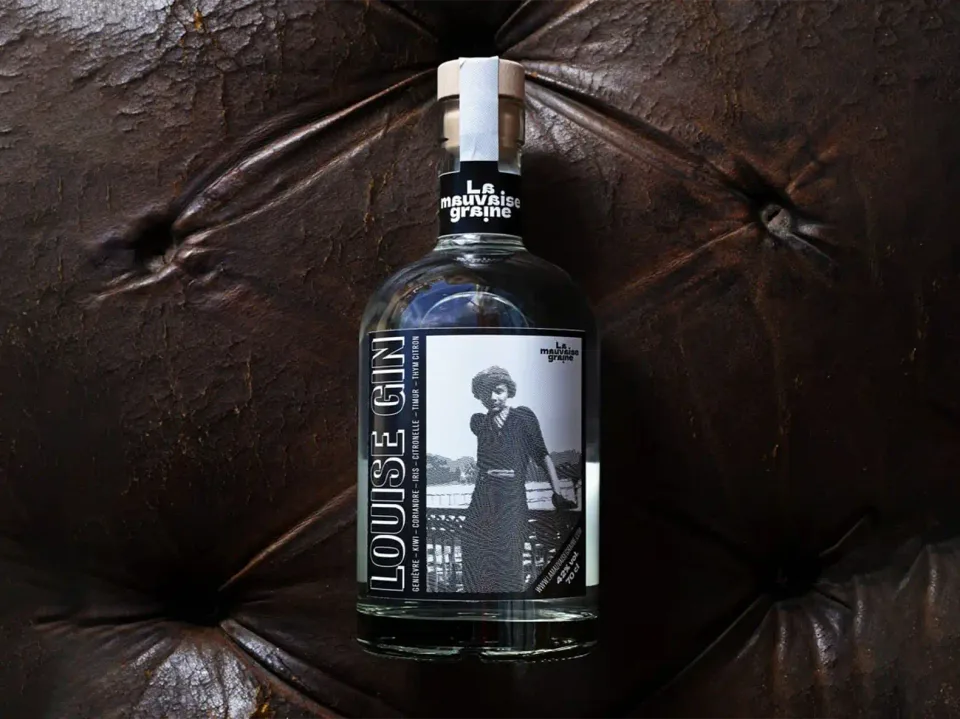
A good gin does not begin in the glass, but in the decision to carefully choose, understand, and bring together every aroma into a complete whole. In the case of Louise Gin, that path leads through Lyon, modern distillation, and a botanical profile based on freshness, natural ingredients, and precise work in the still.
La Mauvaise Graine Distillerie produces its signature gin in the heart of Lyon, on a modern DES column still. Their Louise Gin stands out with a kiwi tincture from the Drôme region and a combination of six botanicals sourced from organic farming or wild harvesting.
Recently, this gin won a gold medal at the Concours International de Lyon, making the recognition even more symbolic. A product created in Lyon was awarded in its own city, in front of an expert environment that truly understands aroma, craft, and quality.
Gin that begins with character
La Mauvaise Graine is not a distillery that wants to make a generic gin. Their Louise Gin has a clearly defined identity and aromatic direction.
On the distillery’s official website, it is stated that Louise Gin is distilled in a column alembic in the heart of Lyon. Its distinctive character comes from a tincture of kiwi grown in the Drôme region, combined with six other botanicals sourced from organic farming or wild harvesting.
That immediately says a great deal about their approach. Here, gin is not just an alcohol base with added aromas. It is designed as a product with geography, an idea, and a clear sensory signature.
The fruitiness of kiwi brings roundness.
The botanicals provide depth.
A light bitterness and spicy finish create a character that lasts.
Lyon as the place of origin
The special value of this story lies in the fact that Louise Gin was not created far away from the audience it speaks to. It is produced in Lyon, a city known for gastronomy, a strong culture of taste, and deep respect for craft.
That is why the gold medal won at the Concours International de Lyon carries additional weight. It is not just another award. It is a confirmation of quality in both a local and international context, before an audience and expert environment that truly understands drinks, aroma, and production.
For a young or signature distillery, such recognition means a great deal. It confirms that the product is not interesting only because of its idea, but also because of the quality in the glass.
The DES still as part of the process
For gin production, especially gin based on carefully selected botanicals, equipment plays an extremely important role. A good still must enable process control, stable distillation, and precise extraction of aromatic components.
La Mauvaise Graine produces its Louise Gin on a modern DES column still. This type of equipment gives the distiller the ability to work with complex aromatic profiles, preserve the delicate notes of herbs and fruit, and achieve a clean, balanced, and repeatable result.
In gin, balance is crucial.
If the alcohol base is too harsh, the botanicals lose their elegance.
If the aromas are overemphasized, the product becomes heavy.
If the distillation is imprecise, what makes the gin recognizable is lost.
A high-quality still does not create the recipe instead of the distiller, but it gives them the control to carry out their idea exactly as they imagined it.
When botanicals have space to speak
Louise Gin is a good example of a modern approach to gin. Instead of relying only on the classic image of gin, it builds its identity through an unusual choice of botanicals and a fruit component that makes it stand out.
Kiwi from the Drôme region is not a detail added for exotic appeal. It gives the product roundness, freshness, and a different aromatic opening. Combined with botanicals from organic farming and wild harvesting, it creates a gin with a natural yet modern character.
This is what more and more modern distilleries are looking for: a product with a craft foundation, a local story, and a recognizable taste.
DES stills are made precisely for such producers, for those who want not only stable production, but also the freedom to develop their own style.
What does this story mean for future distillers?
The story of La Mauvaise Graine Distillerie shows how important it is for equipment to match the producer’s ambition.
If you want to produce gin, it is not enough to have only a good list of botanicals. It is necessary to understand how aromas behave during distillation, how balance develops, and how the result is repeated from batch to batch.
Modern column stills enable better process control, more precise work with aromas, and greater production stability. This is especially important for premium gins, where quality is measured not only by the strength of flavor, but also by purity, elegance, and finish.
DES stills are used around the world for the production of brandy, gin, absinthe, liqueurs, vodka, rum, whisky, and other alcoholic spirits. Our range includes more than 40 still models, different types of columns, several heating options, and the possibility of custom production according to production needs.
For distilleries that want to create products with character, the right still is not just a technical part of production. It is a tool that helps an idea become a recognizable brand.
Gold for a gin that carries its city
La Mauvaise Graine Distillerie shows how a modern urban distillery can combine local identity, creativity, and a serious approach to production.
From the heart of Lyon came Louise Gin, a gin with the aromatic signature of kiwi, carefully selected botanicals, and a character recognized with a gold medal at the Concours International de Lyon.
For DES, it is a special honor that our modern column still is part of this story.
Because when a distiller has a clear idea, high-quality ingredients, and equipment that enables precise distillation, the result is not just a good gin.
The result is a product with a voice, origin, and character.
Contact us and find the DES still that suits your production.